Buckingham Palace: London’s Royal Heartbeat
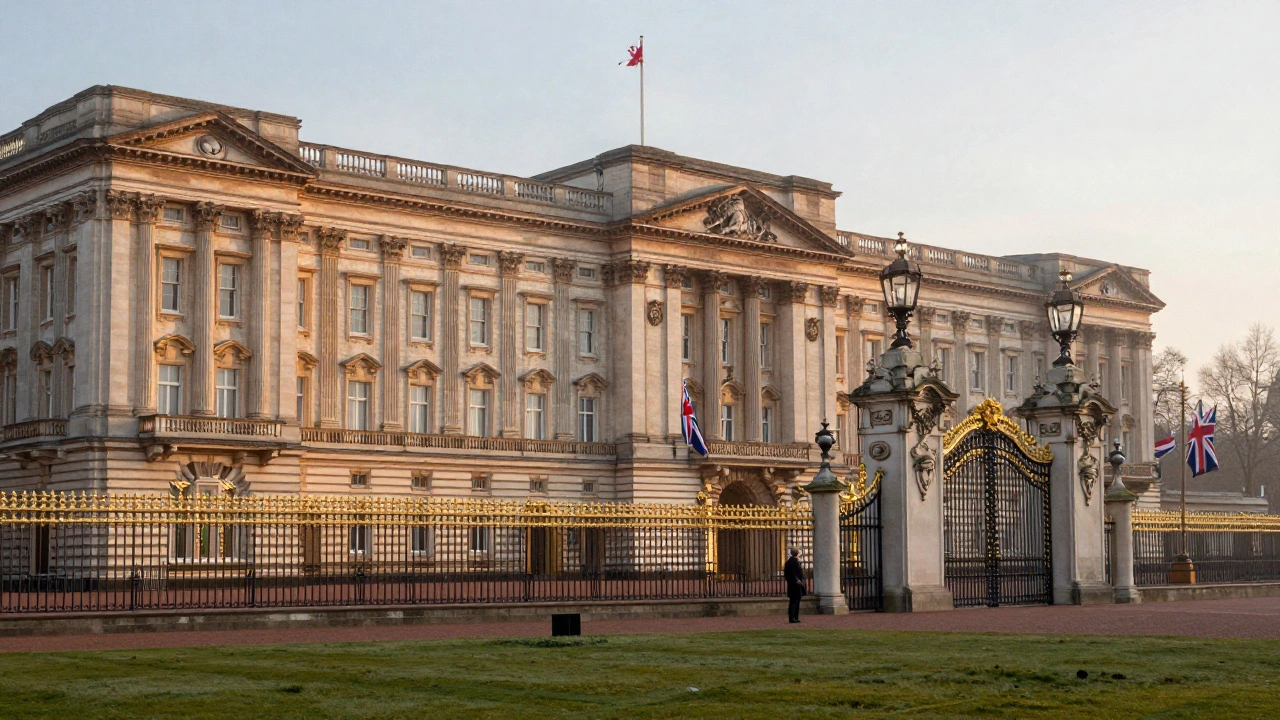
In London, few places carry the weight of history, tradition, and quiet power quite like Buckingham Palace. It’s not just another landmark on a tourist map-it’s the living center of the British monarchy, where centuries of ceremony meet the rhythm of modern London life. If you’ve ever stood on The Mall at dawn, watching the first light catch the gold railings and the palace facade, you know it’s more than stone and stucco. It’s the pulse of the city.
The Palace That Watches Over London
Buckingham Palace has been the official London residence of the UK’s monarch since Queen Victoria moved in back in 1837. Before that, it was just a large townhouse-Buckingham House-built in 1703 for the Duke of Buckingham. It took over a century of renovations, expansions, and royal tastes to turn it into what it is today: 775 rooms, including 19 state rooms, 52 royal and guest bedrooms, 188 staff bedrooms, 92 offices, and 78 bathrooms. That’s more space than most London boroughs have in their entire council buildings.
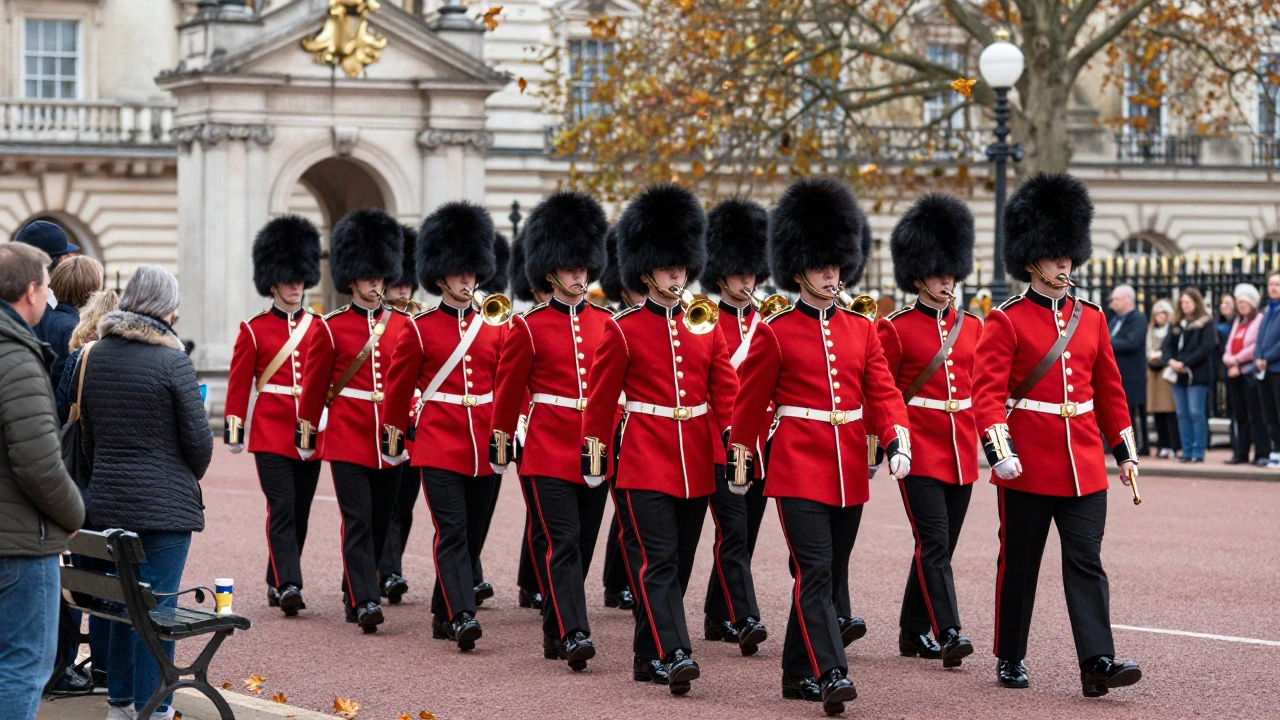
Walk down Constitution Hill and you’ll see the palace gates guarded by soldiers in bearskin hats, their posture unyielding, their presence as much a part of London as the black cabs and red buses. These aren’t just actors in costume-they’re active-duty soldiers from the Household Division, many of whom have served in Afghanistan or Iraq. Their duty here is ceremonial, yes, but it’s also deeply respected. You’ll find locals tipping their hats or nodding as they pass, not out of obligation, but because it’s part of being Londoner.
The Changing of the Guard: More Than a Show
Every morning at 11 a.m., rain or shine, the Changing of the Guard happens outside the palace. Tourists line up early, phones raised, trying to catch the perfect shot of the marching band in full dress uniform. But if you’re a Londoner, you’ve probably seen it dozens of times-and you still stop for a moment.
The ceremony isn’t just about precision. It’s about continuity. The Band of the Grenadier Guards plays the same tunes they’ve played since the 1800s-‘Rule, Britannia!’ and ‘God Save the King.’ The guards march in step from St. James’s Palace, a route they’ve followed for nearly 200 years. You can watch from the palace gates, or better yet, from the bench near the Victoria Memorial, where you can sip a coffee from a nearby Pret or Greggs and watch the ritual unfold without the crush of tourists.
Pro tip: If you want to avoid the crowd but still see it, come on a weekday. Weekends bring the full military band and up to 1,000 spectators. On Tuesdays and Thursdays, you’ll usually get the reduced version-still impressive, quieter, and more intimate. Locals know this. So do the shopkeepers on Piccadilly who keep a kettle on for early viewers.
The Garden: London’s Secret Green Oasis
Behind the palace lies the largest private garden in London-39 acres of manicured lawns, wildflower meadows, and a 120-year-old lake. It’s the only garden in the city that’s off-limits to the public for most of the year, but that doesn’t mean it’s invisible.
Each summer, the palace opens its doors for the annual Summer Opening, when visitors can walk through the state rooms and stroll the garden. During that time, you’ll see Londoners bringing picnics from Fortnum & Mason, kids chasing ducks near the fountain, and retirees sketching the rose beds. The garden hosts the annual Royal Garden Parties-attended by over 8,000 guests each year, including local charity workers, teachers, firefighters, and NHS staff from across Greater London.
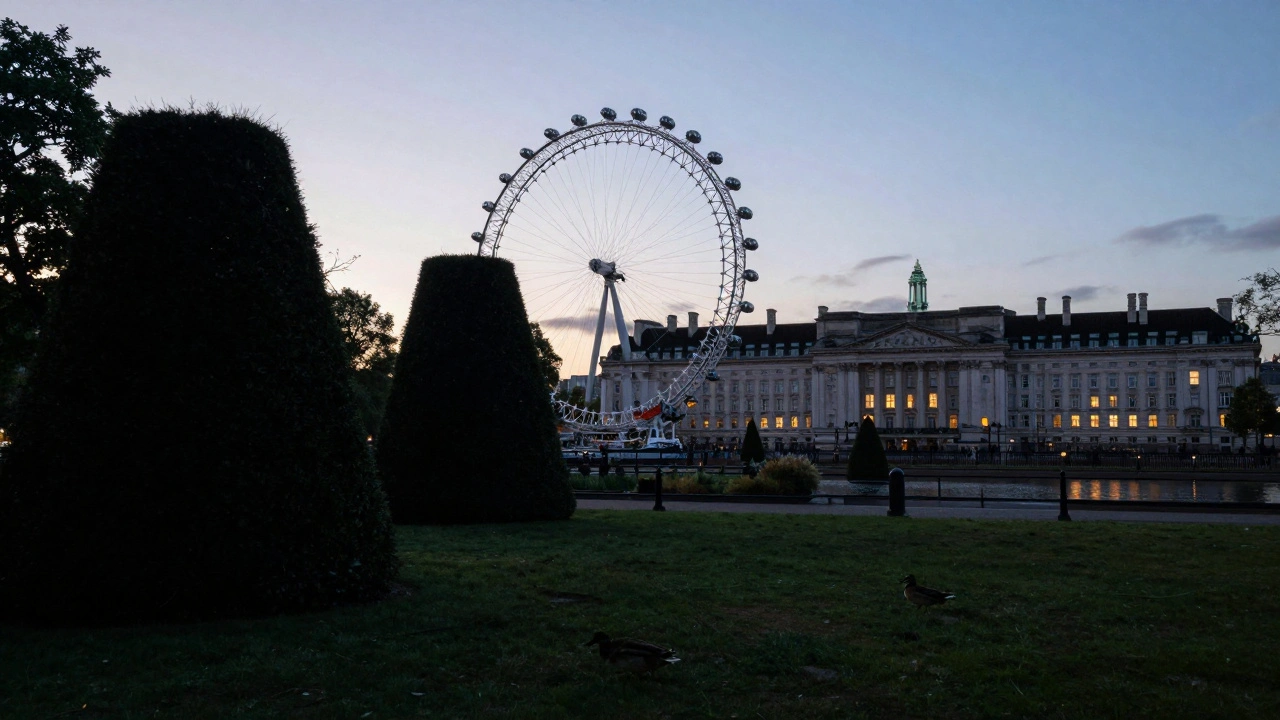
Even when it’s closed, the garden shapes the city. The palace’s trees filter pollution along the south side of St. James’s Park. Its water system helps manage runoff during London’s frequent downpours. And on quiet evenings, when the lights come on inside the palace, you can catch a glimpse of the garden’s silhouette from the top of the London Eye. It’s a quiet reminder that power doesn’t always shout-it sometimes just sits quietly behind hedges, watching over the city.
Royal Events That Shape London’s Calendar
When the monarch makes a public appearance, London changes. The streets fill with Union Jacks. Cafés put out special scones with clotted cream. The Tube plays the national anthem on loop during the Platinum Jubilee in 2022, and locals sang along-even the ones who’d never voted for the monarchy.
Key events anchor the year:
- Coronation Day (May 6, 2023): The streets of Westminster turned into a sea of flags. Thousands camped out overnight near Trafalgar Square, just to catch a glimpse of the procession. Many spent the night on benches near the National Gallery, eating sausage rolls from a nearby bakery.
- The King’s Birthday Parade (Trooping the Colour) (June): Over 1,400 soldiers, 200 horses, and 400 musicians march from Buckingham Palace to Horse Guards Parade. It’s the only time the Royal Family appears together on the palace balcony. If you live in Westminster or Southwark, you’ll hear the flypast from the RAF-usually a Spitfire or a modern Typhoon-before the crowd erupts.
- Remembrance Sunday (November): The Queen’s coffin was carried from Buckingham Palace to Westminster Abbey in 2022. Thousands lined the route from Hyde Park Corner to Whitehall. Locals left flowers at the palace gates for days after.
These aren’t just royal traditions. They’re London traditions. They bring together people from every corner of the city-students from UCL, delivery drivers from Deliveroo, nurses from St. Thomas’ Hospital, and retirees from Brixton-all standing shoulder to shoulder, silent, respectful, united.
What the Palace Means to Londoners
Some say the monarchy is outdated. Others say it’s the last thread holding together a fractured national identity. But for most Londoners, it’s not about politics. It’s about place.
Buckingham Palace is where the city’s heartbeat syncs with history. It’s the backdrop for Christmas lights on The Mall, the starting point for Pride parades, the silent witness to protests and celebrations alike. It’s where a child from Peckham and a financier from Canary Wharf both pause, just for a second, when the guard changes.
You don’t need to love the royals to love the palace. You just need to love London. And if you’ve ever stood there at sunset, watching the flags flutter above the green gates, you know it’s not just a building. It’s the soul of the city.