The Ultimate Guide to Visiting Must-See Landmarks on a Budget in London
London’s skyline is packed with world-famous landmarks, but you don’t need to spend a fortune to see them. In fact, some of the most unforgettable experiences in the city cost nothing at all. Whether you’re a local looking for a new way to explore, a student on a tight budget, or a visitor planning your first trip, this guide shows you how to see London’s iconic sights without breaking the bank.
Big Ben and the Houses of Parliament - Free to View, Paid to Enter
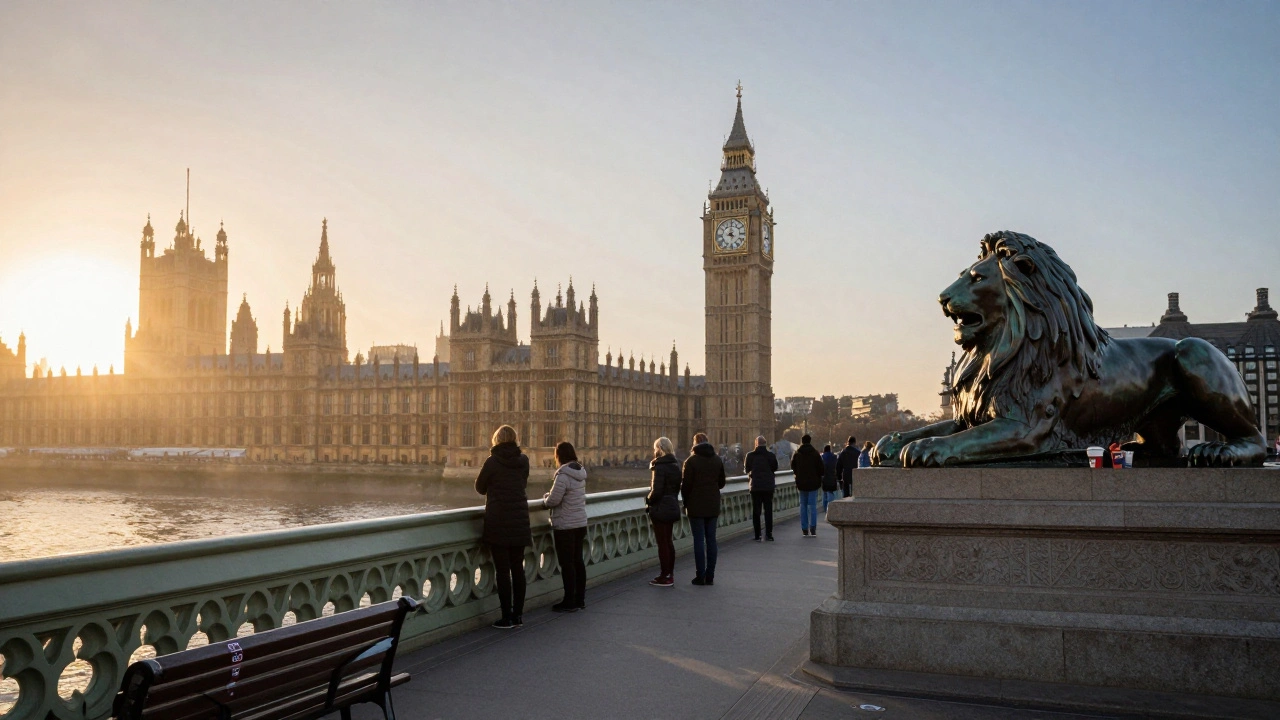
Big Ben isn’t just a clock - it’s the beating heart of British democracy. While guided tours inside the Palace of Westminster require booking and cost upwards of £25, you can stand right on the banks of the River Thames and see it for free. The best spot? The Westminster Bridge, especially at sunrise or just before dusk when the golden light hits the tower. Pro tip: If you’re lucky, you’ll hear the bell chime at 11am, 1pm, 3pm, 5pm, and 7pm - a sound that’s been echoing since 1859.
Don’t miss the statues lining the bridge, including the bronze lion guarding the southern end - a quiet tribute to London’s resilience. Locals know this stretch as the perfect place for a coffee from a Greggs or Pret and a slow stroll.
The British Museum - Free Entry, Infinite Value
One of the most visited museums in the world, the British Museum is completely free to enter. No ticket, no reservation, no hidden fees. Inside, you’ll find the Rosetta Stone, the Elgin Marbles, and Egyptian mummies that have survived millennia. It’s not just history - it’s a global conversation in one building.
Most tourists head straight to the Egyptian galleries, but locals know the best hidden gem: the Enlightenment Gallery (Room 1). It’s quieter, filled with 18th-century scientific instruments, and lets you see how Britain’s imperial past shaped modern thought. Pick up a free map at the entrance and follow the ‘Top 10 Must-Sees’ trail - it takes under an hour.
Hyde Park and Kensington Gardens - Nature in the Heart of the City
Hyde Park isn’t just green space - it’s London’s living room. Locals jog here, students nap under the trees, and families gather for picnics near the Serpentine Lake. Walk from Knightsbridge to Marble Arch and you’ll pass the Diana Memorial Fountain - a curved, cascading stone design that’s become a quiet pilgrimage site.
Don’t miss the free outdoor concerts in summer at the bandstand. Or, if you’re visiting in autumn, follow the path from Kensington Palace to the Rose Garden. The palace itself costs £25, but the gardens are open daily from 6am to dusk, free. You’ll see the same tulips and roses that Queen Victoria once walked among.
London Eye - Skip the Line, See It for Free
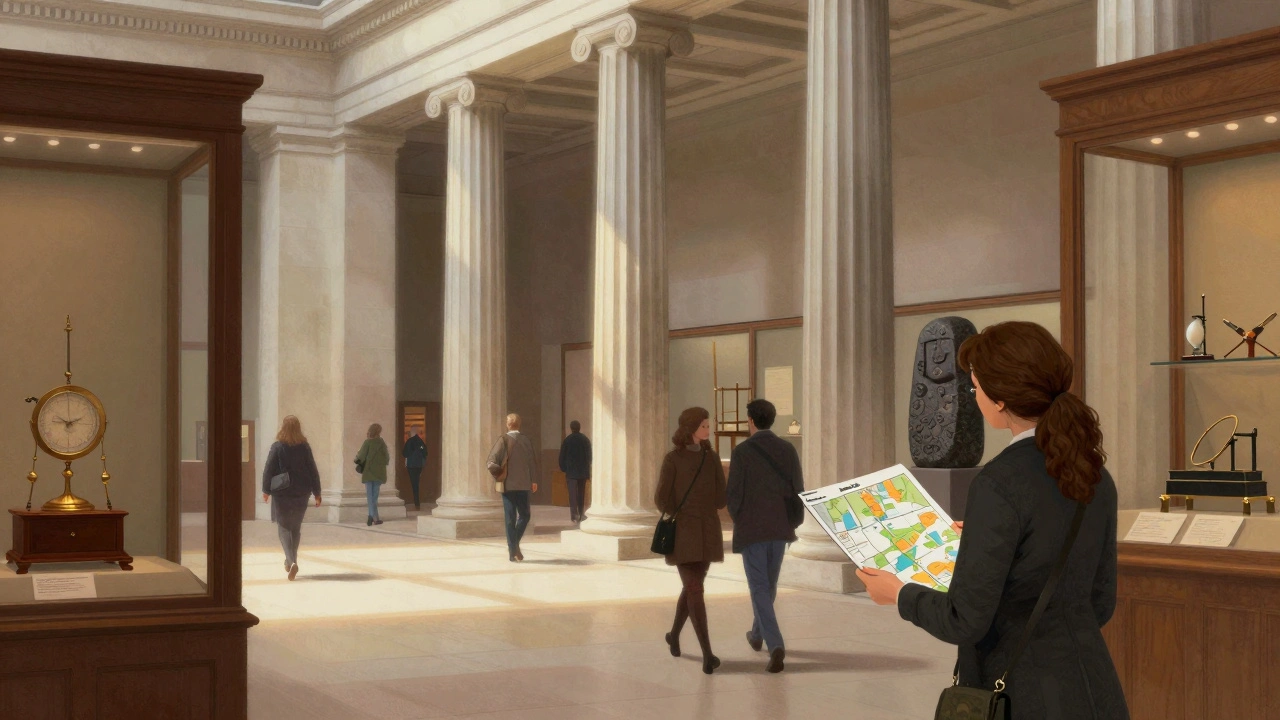
The London Eye is iconic. But do you really need to pay £30+ to ride it? Not if you know where to look. Take the Jubilee Line to Westminster and walk along the South Bank. At sunset, the wheel glows orange against the Thames, reflecting perfectly in the water. You’ll get the same view - without the wait, the crowds, or the £20 souvenir.
For a better angle, head to the Southbank Centre’s Level 3 terrace. Or, if you’re feeling adventurous, grab a cheap sandwich from Market Halls in Borough Market and sit on the bench near the Tate Modern. The Eye looms behind you, lit up like a giant Ferris wheel in the sky.
St. Paul’s Cathedral - Climb the Dome for Less
St. Paul’s is one of London’s most majestic landmarks. The full ticket costs £24, but here’s the secret: you can climb the Whispering Gallery for just £12 if you’re under 25 or over 60. And if you’re a student? Show your ID - you might get in for free during certain events.
But even without paying, you can stand in the shadow of the dome and watch the crowds below. The view from the top of the Millennium Bridge is unbeatable - the dome framed by the City’s glass towers. Walk the path from Tate Modern to St. Paul’s - it’s a 20-minute stroll that takes you past street musicians, street food carts, and the quiet poetry of London’s architecture.
Free Walking Tours - Local Stories, No Cost
London’s history isn’t just in museums - it’s in the alleyways and pubs. Free walking tours run daily, led by passionate locals who work for tips. The most popular? The ‘Free London Walking Tour’ that starts at 10am near Trafalgar Square. You’ll hear about the Great Fire, the plague pits under Smithfield, and why the Queen’s guards wear those tall hats.
These aren’t tourist traps. These are real people - often history students or retired teachers - who’ve spent years studying the city. They’ll point out where Harry Potter was filmed, where the first coffeehouse opened in 1652, and where the real Jack the Ripper may have walked. Bring cash. Tip £5 if you’re impressed. It’s how you support the city’s storytellers.
London’s Hidden Free Museums
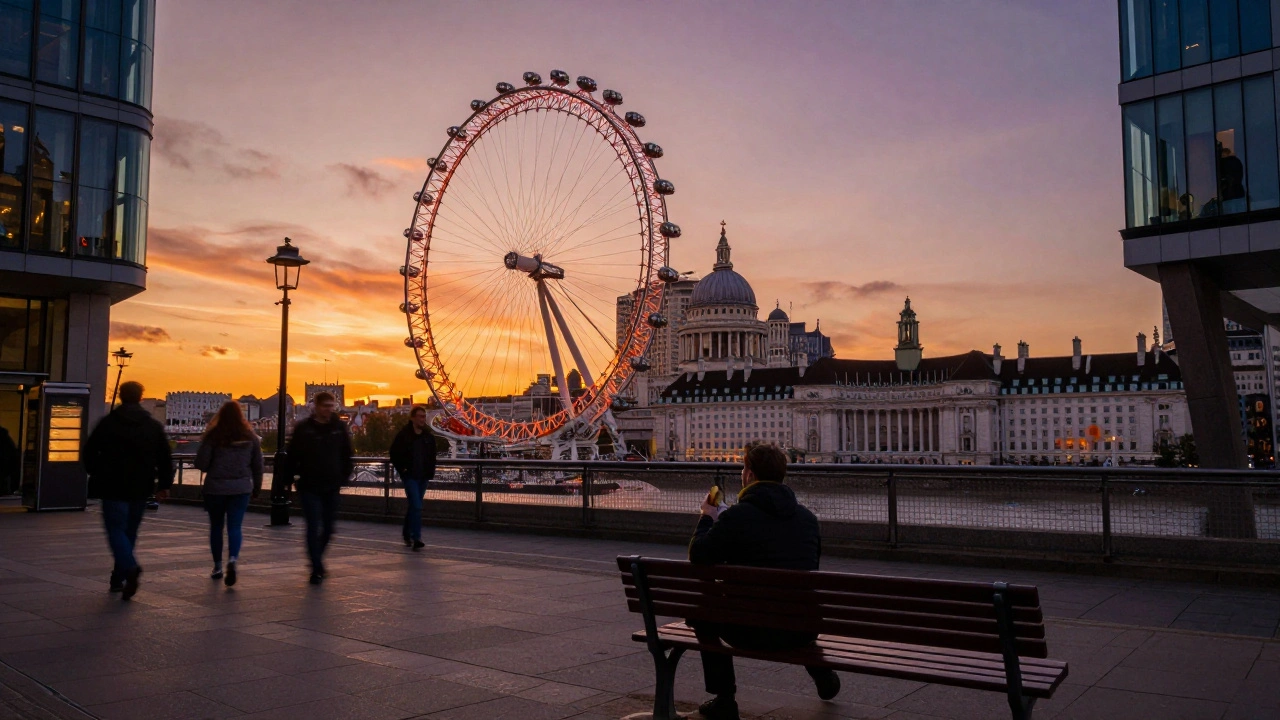
Beyond the British Museum, London has dozens of free museums most tourists never find. The Victoria and Albert Museum (V&A) has fashion from the 1700s, jewelry from ancient Egypt, and a room filled with 19th-century wedding dresses. The National Gallery on Trafalgar Square has Van Goghs, Turners, and Monets - all free. The Science Museum has a real Apollo 10 capsule and a working steam engine you can touch.
And then there’s the Design Museum in Shad Thames. Free entry, rotating exhibits on everything from sneakers to sustainable architecture. Locals go there on rainy afternoons to escape the office.
How to Save Even More - Local Tips
- Use an Oyster card - it’s cheaper than contactless for multiple tube rides. You can buy one at any Tube station for £5 (refundable).
- Visit museums on Friday nights - many open late with free entry and live music.
- Check Time Out London for free events: rooftop cinema, open-air theatre, art pop-ups.
- Walk between landmarks. London’s best views come from moving slowly - not rushing.
- Bring your own water. Tap water here is among the safest in Europe. Refill at any public fountain or café.
Why Budget Travel in London Works
London isn’t just expensive - it’s generous. The city believes culture should be for everyone. That’s why the British Museum, the National Gallery, and the Science Museum have been free since the 1800s. It’s not just policy - it’s pride.
When you walk past the Tower of London and see the Yeomen Wardens in their red uniforms, or when you hear the bells of St. Margaret’s Church at Westminster Abbey, you’re not just seeing history. You’re sharing it. With locals. With strangers. With yourself.
You don’t need to buy a ticket to feel the weight of London’s past. You just need to show up - with curiosity, good shoes, and an open heart.
Can I visit London’s landmarks without buying tickets?
Yes, many of London’s top landmarks are free to view from the outside. Big Ben, the Houses of Parliament, Hyde Park, the London Eye from the South Bank, and St. Paul’s Cathedral’s exterior are all accessible without payment. Several museums, including the British Museum, National Gallery, and Science Museum, offer completely free entry. Even guided walking tours are free - you just tip what you can.
What’s the best free walking tour in London?
The most popular free walking tour starts at 10am near Trafalgar Square, led by local historians who know the city’s hidden stories. It covers the Tower of London, Shakespeare’s Globe, and the real locations behind Jack the Ripper and Harry Potter. Tours last 2.5 hours, and while they’re free, tipping £5-£10 is expected if you enjoy the experience. Book ahead on the company’s website - spots fill fast.
Are London museums really free?
Yes, major national museums like the British Museum, National Gallery, Tate Modern, V&A, and Science Museum are permanently free to enter. Some special exhibitions may charge, but the permanent collections are always open without a fee. You can spend an entire day hopping between them - and still have money left for a Greggs sausage roll.
How do I get around London cheaply?
Use an Oyster card - it’s cheaper than contactless payment for multiple journeys. Cap your daily spending by topping up £7.20 for Zone 1-2, which covers most tourist areas. Walk whenever possible - many landmarks are within 20-30 minutes of each other. Avoid taxis unless you’re late. Buses are also affordable and offer great views - ride the 11, 15, or 211 for classic London scenery.
Is it safe to walk around London at night?
Most central areas like Westminster, Covent Garden, South Bank, and Camden are very safe at night, especially with crowds. Stick to well-lit streets and avoid isolated parks after midnight. Use the Night Tube on weekends - it runs on Friday and Saturday nights with frequent service. If you’re unsure, take a bus instead of walking - they’re safe, frequent, and run until 5am.