Unlocking the Secrets of the World: Cultural Experiences in London Explained
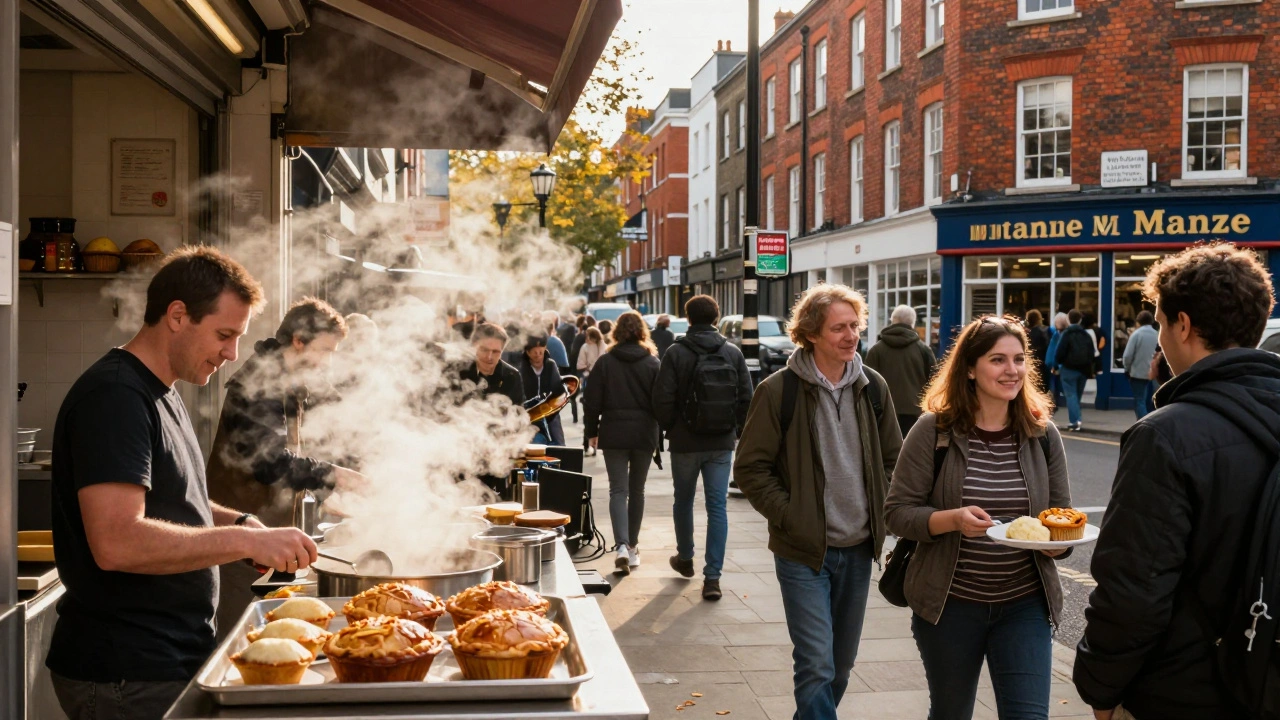
London isn’t just a city with big buses and red phone boxes-it’s a living archive of global cultures, stitched together by centuries of migration, trade, and quiet everyday rituals. If you’ve ever walked through Brick Lane on a Sunday morning and smelled curry wafting from a family-run kitchen while a jazz band plays nearby, you’ve already felt it: London’s cultural secrets aren’t locked away in museums. They’re in the queue for a pie and mash at M. Manze, in the rhythm of a Notting Hill Carnival drumline, in the quiet hum of a mosque in East London during Friday prayers. These aren’t tourist traps. They’re the real pulse of the city.
What Makes London’s Cultural Experiences Different?
Most cities offer cultural experiences as curated exhibits. London offers them as lived reality. You don’t just watch a traditional Japanese tea ceremony-you can attend one at the Japan Society in Belgravia, led by a practitioner who moved here in 1998 and still uses tea bowls imported from Kyoto. You don’t just read about Caribbean carnival-you join 2 million people lining the streets of Notting Hill in August, dancing past stalls selling jerk chicken and plantain chips, while steel drums echo off the Victorian terraces.
Unlike Paris or Rome, where culture feels preserved behind glass, London’s culture is constantly being remade. In Peckham, a Nigerian chef runs a pop-up called Yam & Spice, serving suya-spiced beef with plantain and yam porridge on a Sunday afternoon. In Camden, a Polish grandmother teaches free embroidery classes at the local library, teaching Londoners how to stitch traditional floral patterns from her village near Lublin. These aren’t performances for visitors. They’re acts of belonging.
Where to Find Authentic Cultural Moments (No Tourist Traps)
Forget the London Eye if you want real culture. Head instead to the Southwark Cathedral Christmas Market in December, where you’ll find handmade Ukrainian pysanky eggs beside Welsh wool blankets and Jamaican rum cakes. Or visit the Brick Lane Book Market on Sundays, where second-hand copies of Salman Rushdie’s early novels sit beside Bengali poetry chapbooks and 1970s Pakistani newspapers. The stallholders know your name by the third visit.
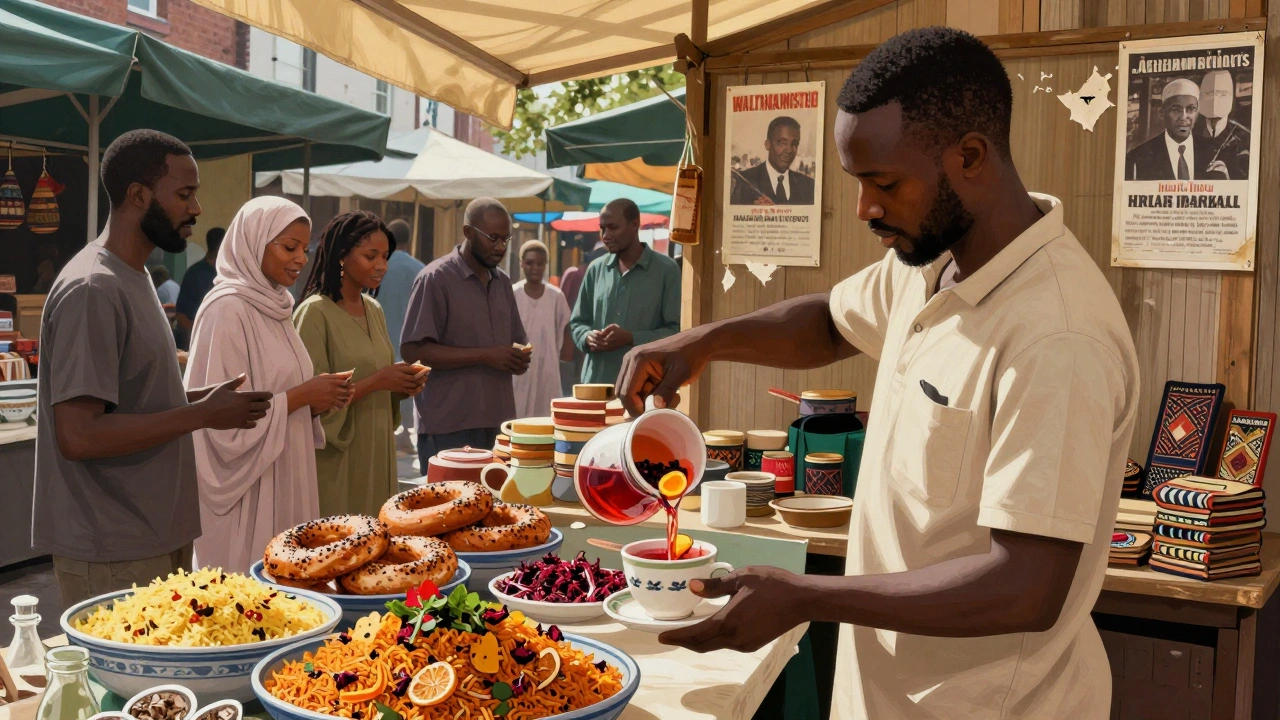
For food, skip the tourist-heavy Borough Market and go to Walthamstow Market on a Saturday. There, you’ll find Ghanaian jollof rice cooked in large pots, Turkish simit fresh from the oven, and a woman from Somalia selling hibiscus tea brewed with ginger and dried orange peel-each vendor telling you the story behind the dish. One vendor, Amina, has been selling her tea here for 18 years. She remembers when the market had only three stalls. Now, it’s a cultural crossroads.
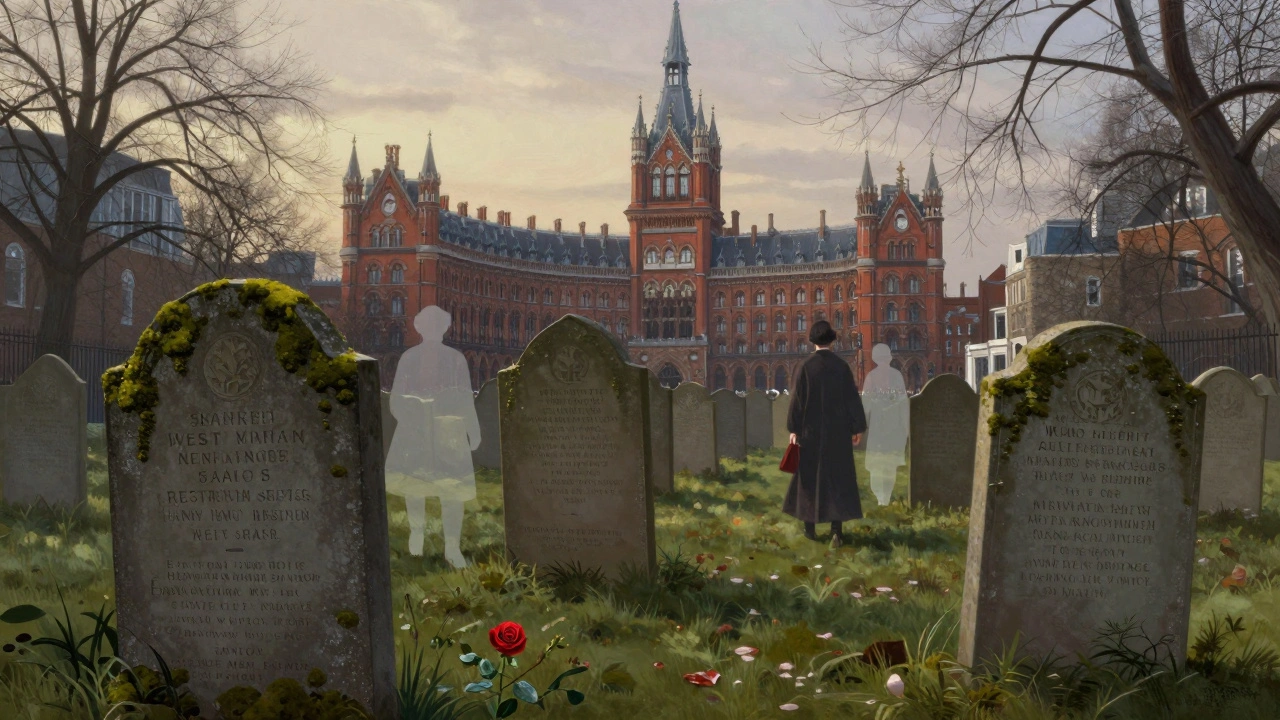
Even the quietest corners hold depth. Walk through the St. Pancras Old Churchyard in Camden. It’s one of London’s oldest burial grounds, with gravestones from the 1700s bearing names of sailors from the West Indies and German weavers who settled here after the Napoleonic Wars. No sign explains it. You just have to look closely.
The Unwritten Rules of London Culture
Londoners don’t shout about their heritage. They live it. That’s why cultural experiences here feel so genuine-you don’t get handed a brochure. You’re invited in.
At a Sunday roast in a pub in Wandsworth, the host will ask if you want gravy with your beef or just the Yorkshire pudding. No one says, “This is traditional English food.” They just serve it. And if you ask why the pudding is so airy? They’ll shrug and say, “My mum did it this way.”
At the Hackney Wick Open Studios in spring, you’ll find artists who’ve turned abandoned warehouses into studios. One, a Sri Lankan painter named Dhammika, uses ash from his mother’s temple in Colombo mixed into his pigments. He doesn’t label it as “cultural fusion.” He just paints. People come because the work feels alive.
There’s also the unspoken etiquette: don’t rush. If you’re invited to a Sikh langar at the Gurdwara in Southall, you’ll sit on the floor, eat with your hands, and share a meal with 300 strangers. No one asks where you’re from. You’re just welcome. That’s the rule here: show up, be respectful, and listen more than you speak.
Seasonal Cultural Events You Can’t Miss
London’s calendar is packed with cultural moments that aren’t on any guidebook.
- Notting Hill Carnival (August): Europe’s largest street festival. Over 1.5 million people. Steel bands, sound systems, and costumes that cost more than a car. Don’t just watch-join the dance.
- Diwali on the Square (October): Trafalgar Square lights up with fireworks, dhol drummers, and free vegetarian feasts from Indian, Pakistani, and Bangladeshi community kitchens.
- Chinese New Year Parade (February): Chinatown explodes with lion dances, dragon floats, and dumpling stalls that sell out by noon. The best spot? Outside the Chinese Community Centre on Wardour Street.
- London Literature Festival (October): Held at the Southbank Centre, it features poets from Nigeria, playwrights from Belfast, and translators from Kurdistan. Seats fill fast. Arrive early.
- St. George’s Day at the Tower (April): A quiet ceremony where the Yeoman Warders serve tea and cake to veterans of Commonwealth regiments. No fanfare. Just remembrance.
How to Go Deeper: Beyond Sightseeing
If you want to unlock London’s secrets, you need to go beyond the ticket line.
Sign up for a free guided walk through the London Walks program. Try the “Hidden Jewish London” tour in the East End, where you’ll learn about the Yiddish theatre scene that once thrived on Brick Lane before the Bengali community moved in. Or join the London Migrant Heritage Project, which offers monthly storytelling nights at libraries across the city-where refugees, asylum seekers, and immigrants share memories of home.
Volunteer at a community centre. The Westminster Migrant Centre needs help teaching English to Syrian families. The Peckham Library runs a weekly book club for Somali women. You’ll learn more in one hour of listening than in a month of museum visits.
Even small actions matter. Buy your coffee from a Syrian-owned café in Brixton. Say “thank you” in Arabic. Ask the owner how they made the blend. That’s how culture moves-from transaction to connection.
Why This Matters Now
London is changing. The post-Brexit climate has made some feel isolated. But culture here isn’t about borders-it’s about belonging. The Nigerian student who plays kora at the Barbican. The Turkish baker who opens his shop at 4 a.m. so the night shift workers can get fresh bread. The Ukrainian choir that sings in the crypt of St. Martin-in-the-Fields every Sunday.
These aren’t just events. They’re acts of resilience. They’re how London stays alive when everything else feels fractured.
If you’re new here, don’t wait for someone to welcome you. Walk into a market. Sit at a communal table. Ask a question. You’ll be surprised how often the answer comes with a cup of tea and a story you didn’t know you needed to hear.
What are the best free cultural experiences in London?
Some of the best free cultural experiences include visiting the British Museum’s permanent collections, attending the free Sunday concerts at St. Martin-in-the-Fields, joining the weekly storytelling nights at Peckham Library, walking the South Bank’s open-air art installations, and exploring the free exhibitions at the Victoria and Albert Museum. Many community centres also host free language exchanges, craft workshops, and cultural film screenings.
Where can I find authentic food from cultures not commonly seen in tourist areas?
Head to Walthamstow Market for Ghanaian, Turkish, and Somali dishes; Newham’s East India Road for Bangladeshi and Bengali street food; and Harrow for Punjabi tandoori and Punjabi wedding-style feasts. In Brixton, try the Ethiopian restaurant Yodit or the Caribbean roti shop Reggae Patties. These spots rarely have English menus-you’ll need to point, smile, and ask.
How do I respectfully engage with cultural traditions I’m not part of?
Listen more than you talk. Ask questions like, “Can you tell me about this dish?” or “What does this tradition mean to you?” Avoid taking photos without permission, especially in religious or private settings. Don’t call something “exotic” or “quaint.” Treat it like you would your own family’s customs-with curiosity and care.
Are there cultural events in London that happen outside the summer months?
Yes. In winter, the London Literature Festival runs in October, the Winter Lights Festival in Trafalgar Square features projections from artists across Africa and Asia, and the St. George’s Day ceremony at the Tower happens in April. Even in January, the Southbank Centre hosts the Winter Words series, featuring writers from the Caribbean, South Asia, and the Middle East.
Can I participate in cultural rituals even if I’m not from that background?
Absolutely. At the Notting Hill Carnival, anyone can join the dance. At a Sikh langar, anyone can sit and eat. At a Chinese New Year parade, you can receive a red envelope. The key is to show up with humility, not appropriation. Don’t wear sacred clothing as a costume. Don’t perform rituals you don’t understand. But do show up with an open heart-and you’ll be welcomed.
London’s cultural secrets aren’t hidden. They’re waiting for you to sit down, listen, and say, “Tell me more.”